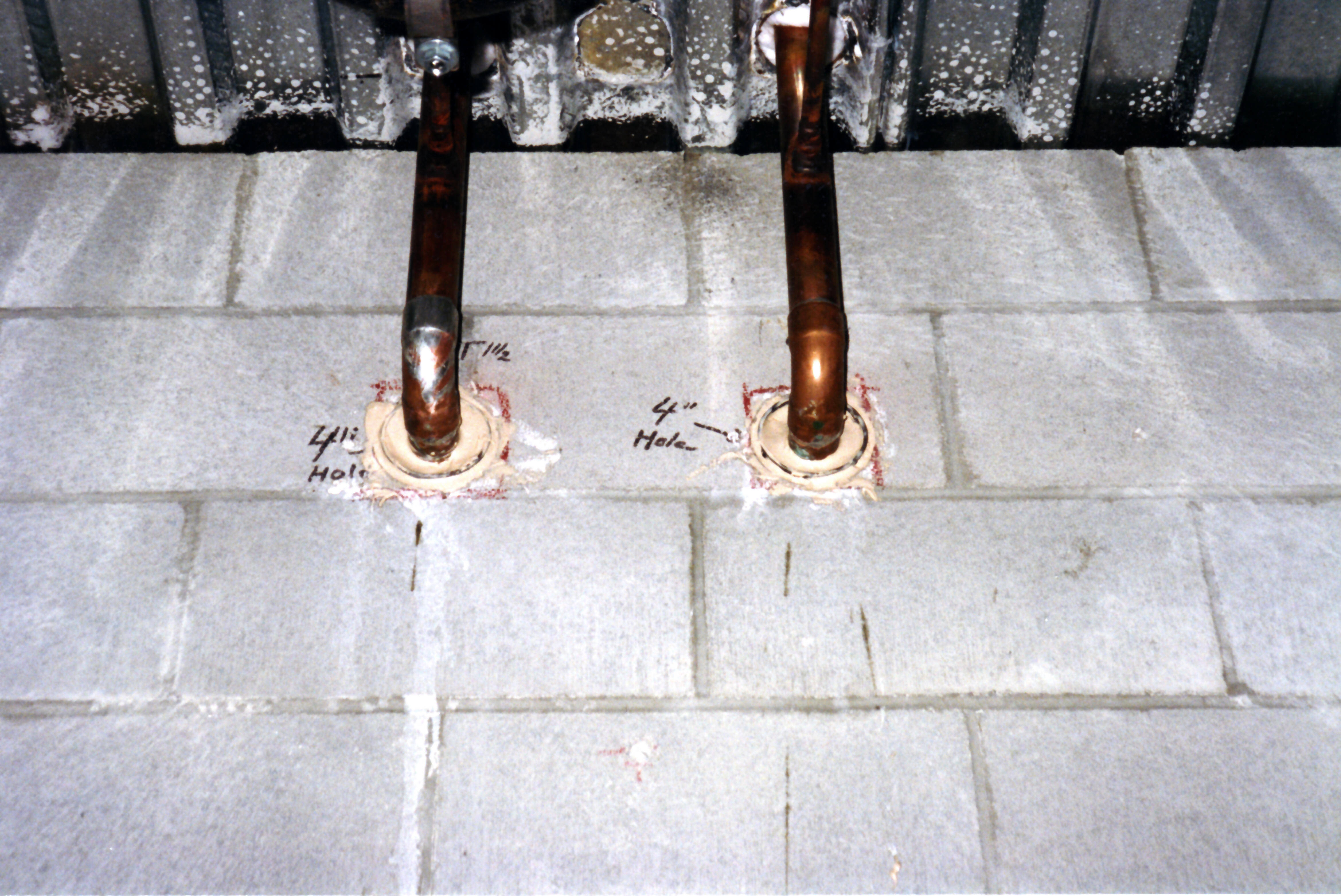

A passive fire protection survey looks at the parts of a building intended to restrict the spread of fire and smoke. Depending on the agreed scope, that can include fire doors, compartment walls and floors, and the fire stopping around services passing through them.
The important words are "agreed scope". A visual visit to accessible areas and an intrusive investigation are different pieces of work. Before booking either, make sure you know what the survey will cover and what questions it needs to answer.
What should I do first?
Gather the information you already have. Useful starting points include the fire risk assessment, available fire strategy and drawings, previous surveys, door registers and records of remedial work.
Share known concerns as well. Perhaps a refurbishment introduced new service openings, a previous report left areas uninspected, or the team cannot match completed repairs to the original findings. These are practical questions for the survey brief.
A specialist fabric survey does not replace the building's wider fire risk assessment. The government's workplace guidance explains the broader assessment, recording and review responsibilities.
What could the survey cover?
Depending on the building and brief, ask whether the proposed survey includes:
- Fire doors and their associated components.
- Accessible compartment walls, floors and the junctions between them.
- Service penetrations, risers and the condition of visible fire stopping.
- Relevant roof or ceiling voids, where safe access has been agreed.
- Previous repairs and the evidence available to support them.
Not every survey includes every item. A door-only inspection, for example, should not be mistaken for a review of the whole compartmentation system. Put the inclusions and exclusions in writing before the visit.
For a closer look at the building fabric, see our guide to fire stopping and compartmentation.
Will the survey involve opening up?
A visual survey can only report on what the surveyor can see. Concealed details may need a separately agreed investigation before conclusions can be reached.
Ask how inaccessible areas will be recorded and what would trigger further work. If opening up is proposed, agree access permissions, site precautions, occupant communication and making good in advance. This is particularly important where the building stays in use throughout the programme.
An honest record of a limitation is useful. Treating an unseen area as satisfactory is not.
What should a useful report give you?
Ask for findings that your team can locate and act on. An asset or location reference, clear photographs and a description of each issue are far more useful than a long list of general observations.
The report should make its coverage and limitations clear. Agree how recommendations and priorities will be presented, who will review them, and what further investigation may be needed before remedial work is specified.
It should also be possible to connect the survey to the next stage. Ask whether finding references can follow through into quotations, work orders and completion records. That small decision at the start can save considerable administration later.
What happens after the survey?
Review the findings with the people responsible for the building. Allocate actions, agree access and budget, and identify items that need further technical advice before a solution is chosen.
The survey is a starting point for action. Once work is complete, retain the relevant installation, inspection and handover evidence against the original finding. A closed work order alone does not explain what was done.
Oracle's passive fire protection services bring together surveys, remedials and planned delivery. If you have an existing report or need help defining the scope of a new one, contact our team. We can discuss the building, the available records and the next steps.