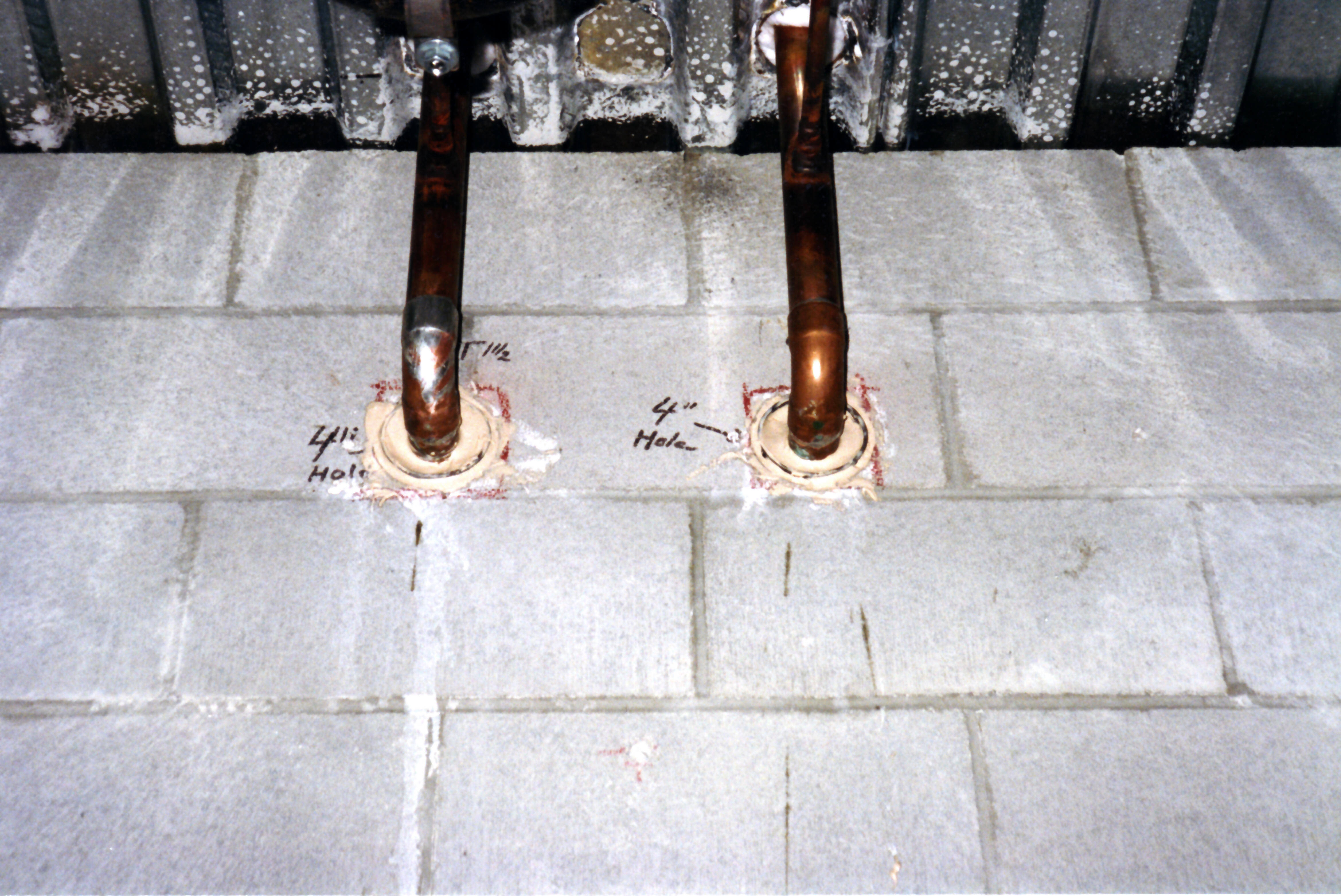

Compartmentation uses fire-resisting construction to help restrict the spread of fire and smoke within a building. Fire stopping protects openings and joints in that construction, including places where services pass through walls or floors.
For facilities managers, the challenge is keeping track of that protection as the building changes. A new cable route or a maintenance visit can affect an area that was previously inspected. The record of the last survey is useful, but so is knowing what has happened since.
Start with the building records
Find the available fire strategy, compartment drawings, fire risk assessment and previous survey reports. Ask whether they reflect the current layout and whether the team can identify the areas discussed in them.
The government's guide for small blocks of flats explains why fire-resisting walls, floors and protected openings matter in that setting. Other building types need advice appropriate to their use and design.
Where drawings or records are missing, record the gap and seek suitable advice. Do not assume that a wall forms a fire compartment just because of how it looks.
What should the FM team flag?
Routine building visits are an opportunity to report concerns, not to certify a fire stopping installation. Useful things to raise with the responsible team include:
- New or altered service routes through areas identified as fire-resisting construction.
- Visible openings, damaged seals or work that appears unfinished.
- Areas where the installed work cannot be matched to a recorded inspection or repair.
- Risers and voids that were excluded from an earlier survey because access was unavailable.
- Changes made after the most recent inspection.
Use a clear location reference and photographs where safe and permitted. Avoid opening up concealed construction or disturbing materials without an agreed safe method and appropriate competence.
Why does the repair specification matter?
A seal around a pipe or cable should be assessed as part of the relevant construction and service arrangement. The appearance or colour of a product is not evidence that the completed installation provides the required performance.
Ask the specialist responsible for the work to explain the proposed system, its supporting evidence and how it suits the actual opening and services. Your role as a building manager is to ensure those questions have an owner and a recorded answer.
For technical decisions, use competent advice. This guide is a management checklist, not an installation specification.
Keep alterations under control
Build a simple handover step into maintenance and fit-out work. Before contractors start, establish whether their work could affect identified compartment lines. Before they leave, confirm who will review any affected fire stopping and what evidence is needed.
This is easier when the facilities team, project team and fire safety lead use the same location references. Otherwise, one team may sign off a job without realising that another still has an unresolved finding in the same area.
The aim is to make changes visible and traceable, rather than rediscovering them at the next survey.
What does a useful action register look like?
For each finding, record its location, the concern, the evidence, the person responsible for reviewing it and the agreed next step. Keep any survey limitations alongside the findings, so that an uninspected area does not disappear from view.
When remedial work is complete, connect the completion record to the original item. Include the relevant specification and inspection evidence rather than closing an action solely because an invoice has arrived.
What should I do next?
If the records leave you unsure about the building's condition, start by agreeing a passive fire protection survey. If your main concern is doors, our fire door checking guide explains the distinction between routine checks and a wider assessment.
Oracle's passive fire protection team can discuss surveys and remedial programmes for your building. Get in touch with the reports you have and the gaps you need to resolve.