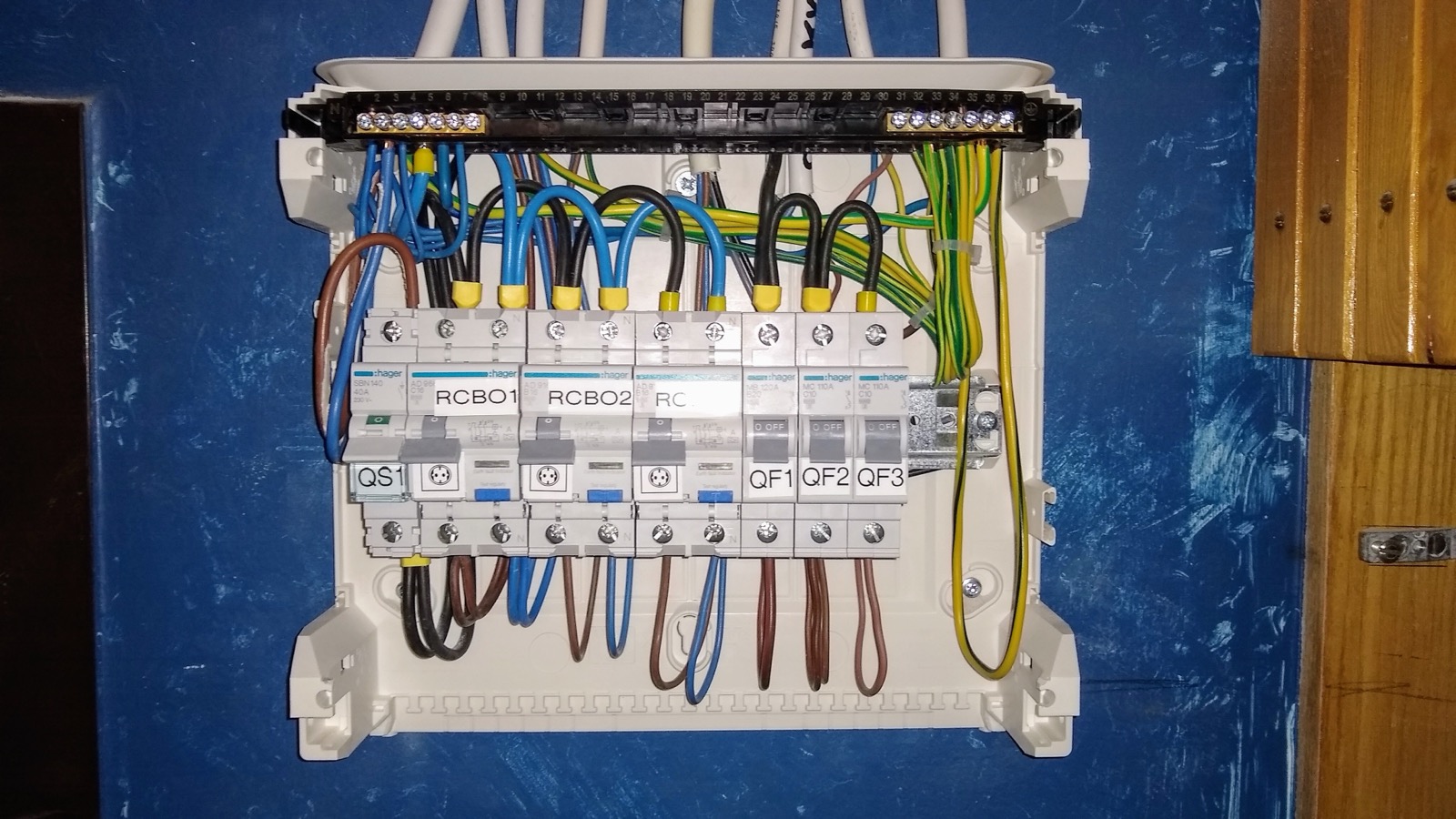

An EICR, or electrical installation condition report, records the condition of a building's fixed electrical installation after periodic inspection and testing. It tells you whether the installation is satisfactory for continued use and lists any defects by urgency. Oracle carries out commercial EICR testing in London for offices, residential blocks, mixed-use estates and other managed buildings, and can complete the remedial work that follows.
For building managers, the value of an EICR lies in what happens next. A clear report, a sensible remedial plan and evidence that coded items have been closed out matter as much as the test itself.
EICR, fixed wire testing and PAT: what is the difference?
Commercial EICR testing is often called fixed wire testing, because it covers the installation built into the building. Portable appliance testing (PAT) is separate and deals with equipment that plugs in. Both may feature in your maintenance programme, but one does not replace the other. If you are unsure which your insurer, landlord or fire risk assessment is asking for, check the wording before booking so the scope matches the requirement.
What commercial EICR testing covers
Periodic inspection and testing looks at the fixed installation: the wiring, distribution boards, protective devices and accessories, rather than portable appliances. Depending on the agreed scope and sampling, it typically includes:
- Visual inspection of distribution boards, wiring, accessories and enclosures.
- Testing of earthing and protective bonding.
- Insulation resistance and continuity testing of circuits.
- Testing of protective devices, including RCDs.
- Checks for damage, deterioration, overheating and unsuitable alterations.
- Identification of circuits and labelling at distribution boards.
Each observation is given a classification code. C1 means danger is present. C2 means potentially dangerous. C3 means improvement recommended. FI means further investigation is required. The IET's inspection and testing FAQs explain how these codes are applied.
What the law and guidance say
For workplaces in Great Britain, regulation 4(2) of the Electricity at Work Regulations 1989 requires that, as may be necessary to prevent danger, all systems are maintained so as to prevent such danger, so far as is reasonably practicable. The regulations do not set a testing interval. HSE guidance says installations should be tested often enough that there is little chance of deterioration leading to danger.
Recommended frequencies come from IET Guidance Note 3, which suggests initial maximum intervals that vary with the type of premises and how it is used. The IET is clear that these are recommendations, not legal requirements. The person carrying out the inspection should recommend the next date based on the installation's use, condition and maintenance.
Some situations do carry a fixed legal interval. In England, private landlords must have the electrical installation in rented homes inspected and tested at least every five years. That duty applies to England only and to the private rented sector, not to commercial premises generally.
Testing occupied buildings
Most commercial EICR testing has to happen while people are working or living in the building. Good planning makes that manageable:
- Review previous EICRs, drawings and circuit charts before the visit.
- Identify critical circuits, IT and plant so isolations are planned, not improvised.
- Agree a sequence of isolations with building management and occupiers.
- Use quieter periods where operations require it.
- Expect any dangerous condition to be reported immediately, rather than held back for the final report.
What an EICR should give you
An EICR should give you an overall assessment of the installation, coded observations that your team can locate, and a recommended date for the next inspection. C1, C2 and FI items need to be dealt with first.
Oracle delivers EICR testing and remedials in one programme, with inspection, fault-finding and certification in one flow. That avoids the delay of passing a report to another contractor. If the report points to larger work, Oracle also carries out commercial rewiring and critical power upgrades.
When to book an EICR
Book commercial EICR testing when:
- The next inspection date on your last EICR is approaching.
- You have taken on a building without a current report.
- There has been a change of occupancy or use.
- Significant alterations, fit-out works or damage may have affected the installation.
- Your fire risk assessment or insurer has asked for evidence of electrical testing.
To arrange EICR testing in London, contact our team with your previous reports and an outline of the building.