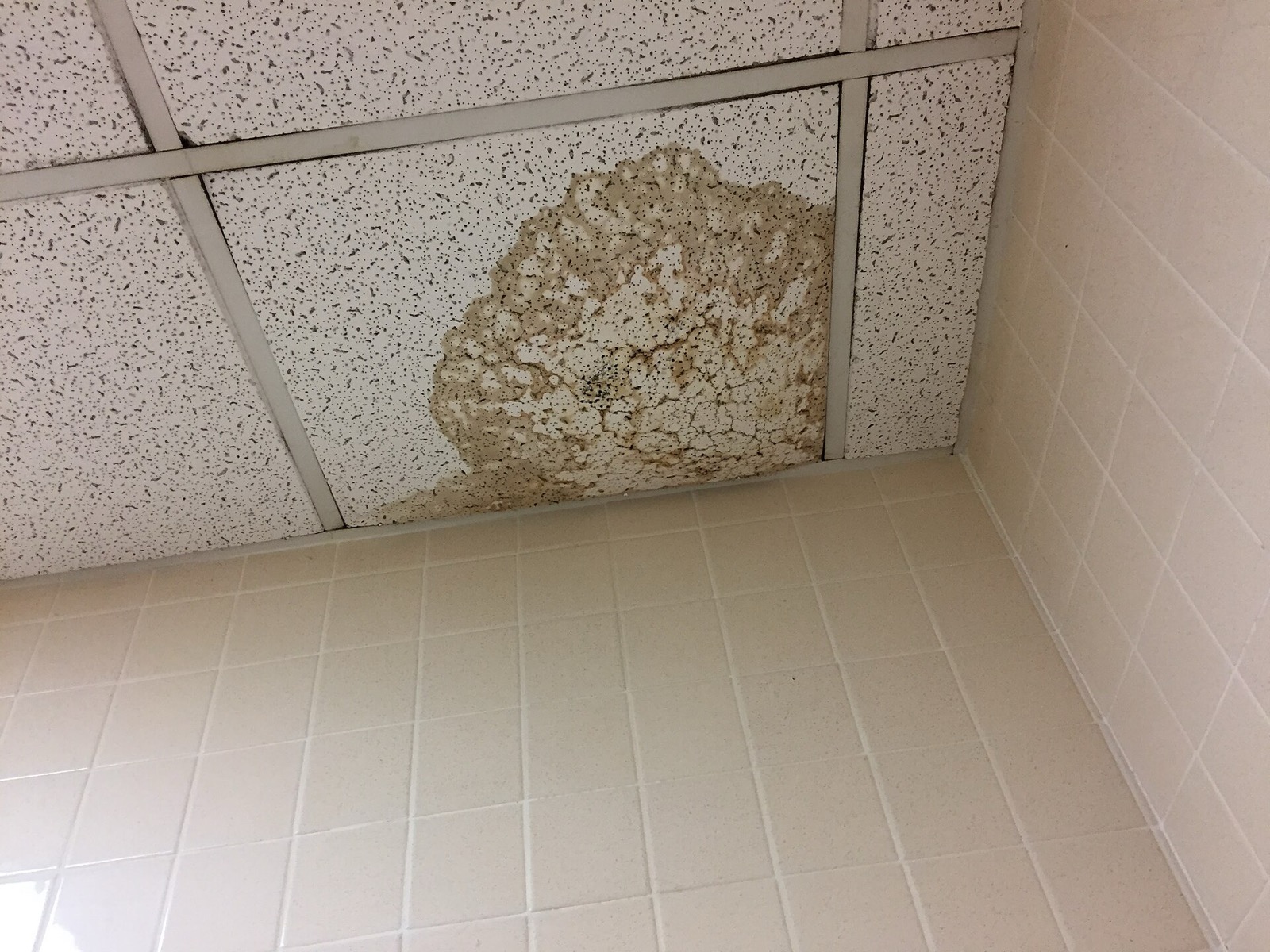
Photo: Atomicdragon136, Ceiling water damage, via Wikimedia Commons, CC BY 3.0. Resized. Illustrative only, not an Oracle project.

After a flood, fire or escape of water, the building still has to be safe, compliant and usable at the end of the claim. This playbook sets out the practical stages of reinstatement work, from making the building safe to handing it back, and the records that help the insurer, the loss adjuster and your own team agree what needs doing.
It is a guide to managing the building works. It is not insurance or legal advice. Your policy wording, your insurer and your broker decide what is covered, so speak to them about cover and claim questions.
The roles in a typical claim
Knowing who does what avoids delay:
- The policyholder (often the landlord, freeholder or managing agent acting for them) reports the loss and works with the insurer.
- The insurer handles the claim. Under the FCA's ICOBS 8 rules, insurers must handle claims promptly and fairly, give reasonable guidance to help a policyholder make a claim and settle claims promptly once settlement terms are agreed.
- The loss adjuster is usually appointed by the insurer on larger or complex claims to investigate the cause, extent and value of the loss.
- The contractor makes safe, dries and reinstates the building to an agreed scope.
Agree early who is authorised to instruct work and who signs off variations. Unclear authority is a common cause of stalled claims.
Stage 1: Make safe
The first priority is people. Then stop the damage getting worse. Typical make-safe actions include:
- Isolating water at the source and arranging leak detection where the cause is unclear.
- Keeping people away from areas that may be unsafe, including fire-damaged structures and wet ceilings.
- Not switching on electrics or gas appliances that may have got wet. GOV.UK's flood recovery advice says a registered electrician should be called.
- Temporary weatherproofing, boarding and security.
- Reviewing fire safety arrangements if alarms, emergency lighting, fire doors or compartmentation have been affected, and telling the person responsible for fire safety.
Check your policy and speak to your insurer before committing to significant spend, but do not leave a hazard in place while you wait.
Stage 2: Record the damage before it changes
Good records make the scope easier to agree. Before strip-out or cleaning, capture:
- Dated photographs and video of each affected area, with a simple room or location reference.
- The cause, if known, and any evidence such as a failed fitting.
- Initial moisture readings, with the location of each reading marked on a plan.
- Pre-existing defects, so they are not confused with the insured damage.
- Affected fire safety systems and any temporary measures put in place.
GOV.UK's flood guidance also advises taking photographs and keeping records before repairs.
Stage 3: Check for asbestos before strip-out
Reinstatement usually means removing damaged plaster, ceilings, floors and linings. HSE advises that if a building was built or refurbished before 2000 you should assume asbestos is present. Check the asbestos register and arrange a refurbishment and demolition survey of the affected areas where needed before intrusive work begins. See HSE's guidance on asbestos surveys.
Stage 4: Drying and monitoring
Drying takes longer than many people expect, and reinstating finishes over wet materials can lead to repeat damage and disputes. Research for the government on drying flood-damaged buildings (2010) stresses setting drying goals, recording them and monitoring moisture in materials until those goals are met.
A practical drying record includes:
- The drying method and equipment used in each area.
- A target condition for each material, agreed before drying starts.
- Regular readings at the same marked locations.
- A sign-off reading showing the target has been reached.
Stage 5: Agree the scope with the loss adjuster
A clear, itemised scope is easier to review and agree. Structure it by location and trade, and link each item to the evidence:
- What is damaged, with photographs and readings.
- What is proposed: repair, replace or clean.
- Quantities and specification.
- Any item that goes beyond like-for-like, shown separately with the reason, such as a current regulatory requirement.
Keep a variations log. When hidden damage appears during strip-out, record it, photograph it and get agreement before proceeding where your arrangements require it.
Stage 6: Reinstate to a compliant standard
Reinstatement is building work, so it still has to meet current requirements. Watch for:
- Fire stopping and compartmentation. Services penetrations disturbed during strip-out must be properly fire stopped again.
- Fire doors. Damaged fire doors need competent repair or replacement.
- Electrics. Water-affected circuits should be inspected and tested, with certificates for any new work.
- Fire alarms and emergency lighting. Systems affected by the loss should be tested and certified before handback.
- Building control. Some reinstatement work may need building control approval. In a higher-risk building in England, check the BSR guidance, including the separate rules for emergency repairs.
Stage 7: Handback
Hand back the building with a pack that lets the insurer, the adjuster and the next person managing the building see what was done:
- Completion photographs against the original damage photographs.
- Final drying records.
- Electrical, fire alarm, emergency lighting and other test certificates.
- Fire stopping and fire door records, with product details.
- Waste and asbestos documentation where relevant.
- An updated note for the fire risk assessment if fire safety measures were affected.
How Oracle can help
Oracle FM delivers insurance reinstatement works after flood, fire and escape of water, with loss adjuster-ready documentation, through our projects and dilapidations service, alongside electrical, passive fire protection and active fire protection works.
After a loss, we can help with EICR testing, fire stopping and compartmentation surveys and fire alarm and emergency lighting maintenance so that the building is handed back with evidence in place. To discuss a project, contact our team.
Subscribe to our newsletter
Get the latest insights delivered directly to your inbox.