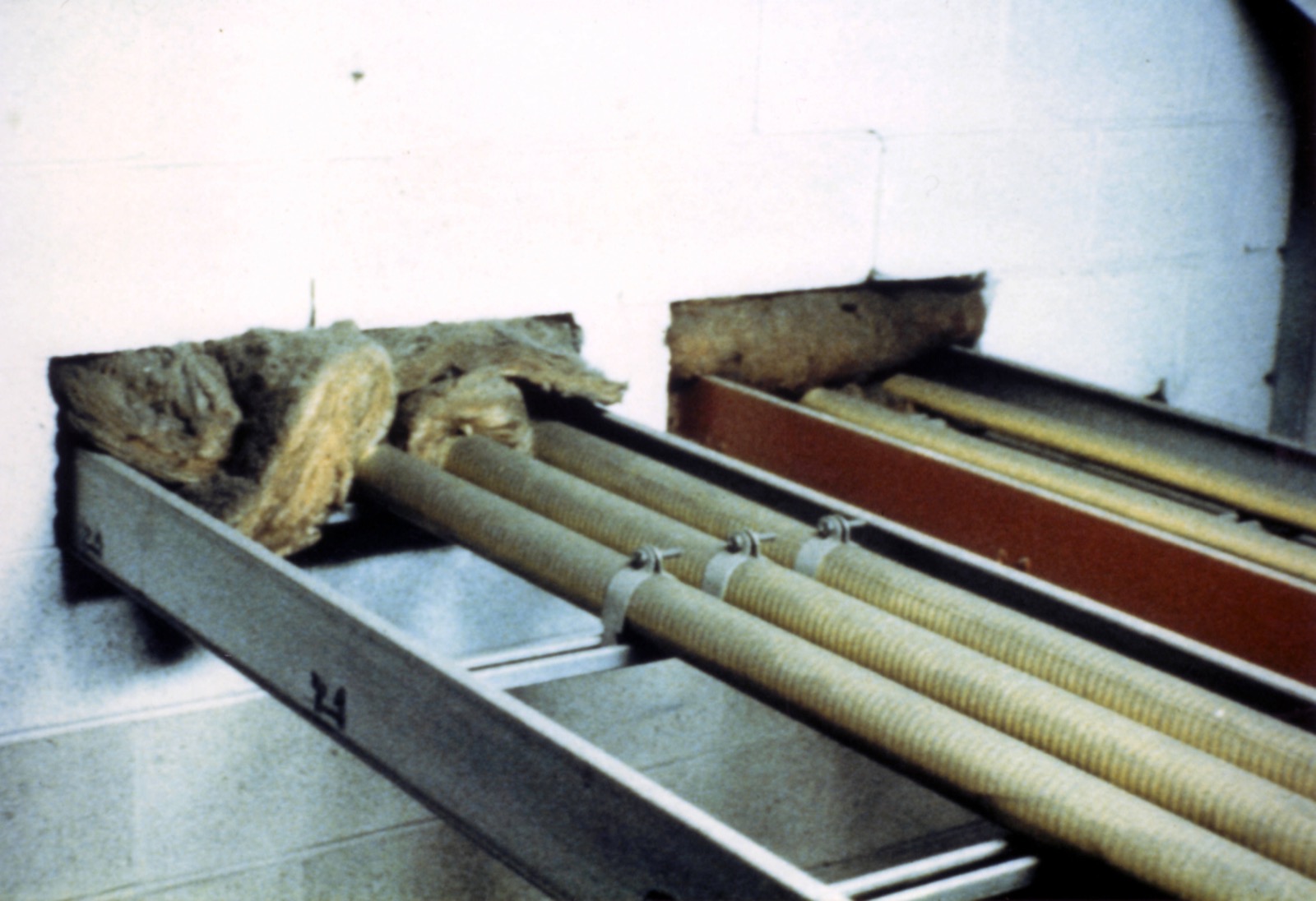

A fire stopping and compartmentation survey checks whether the fire-resisting walls, floors and service penetrations in your building still do their job of holding fire and smoke within a compartment. Oracle carries out these surveys in London for building owners, managing agents and facilities teams, then delivers the remedial fire stopping needed to close out the findings.
Compartment lines are easily compromised. A new cable route, a replaced pipe or an unfinished maintenance job can leave an opening that nobody records. A survey gives you a located, evidenced picture of where the building stands today.
What a compartmentation survey covers
The scope is agreed with you first, because a visual survey of accessible areas and an intrusive investigation are different pieces of work. Depending on the brief, a survey can include:
- Service penetrations through compartment walls and floors, such as pipes, cables, ducts and cable trays.
- Risers, plant rooms and accessible ceiling or floor voids.
- Junctions between walls, floors and the underside of slabs.
- Cavity barriers, where they can be accessed and identified.
- Previous fire stopping repairs and the evidence available to support them.
Each finding should have a location reference, photographs and a description of the issue. Areas that could not be accessed should be listed, so an uninspected riser does not quietly drop out of view.
What the law and guidance say
In England and Wales, the responsible person under the Regulatory Reform (Fire Safety) Order 2005 must ensure fire safety measures are subject to a suitable system of maintenance and kept in efficient working order and good repair. That includes the building's passive fire protection.
The fire risk assessment must also be suitable and sufficient. For buildings containing two or more sets of domestic premises, the Fire Safety Act 2021 confirmed that the structure, external walls and flat entrance doors are within the scope of that assessment. The government's guide for small blocks of flats explains why fire-resisting construction and protected openings matter in residential settings.
There is no single legal interval for compartmentation surveys. The right timing depends on your fire risk assessment, the building's history and how often services are altered. For higher-risk residential buildings in England, accountable persons also need to assess and manage the risk of fire spread, which makes reliable compartmentation records more important.
Surveying occupied buildings
Oracle's teams coordinate access and sequencing to keep occupied buildings operational. When planning a compartmentation survey in a building that stays in use, it helps to:
- Agree inclusions, exclusions and access arrangements in writing before the visit.
- Arrange riser, plant room and ceiling void access with building management.
- Keep escape routes clear throughout the survey.
- Agree permissions, precautions and making good before any opening up.
The colour or appearance of a product is not proof that a seal works. A good survey focuses on whether the installation can be matched to a suitable, evidenced system for that opening and those services.
What you receive
Oracle's fire stopping inspections and compartmentation work cover:
- Penetration surveys and compartmentation checks.
- Clear survey findings and action schedules.
- Scoped remedial works, if you want Oracle to carry them out.
- Audit-ready sign-off documentation on completion.
Oracle is accredited under the NAPFIS scheme for the installation and inspection of passive fire protection systems, which confirms our ability to issue a Certificate of Compliance. We also hold certification under the Q-Mark Fire Stopping Installation Scheme. Our teams deliver survey to sign-off compartmentation remediation across risers, voids and cavity barriers, with golden thread documentation.
When to book a fire stopping survey
A fire stopping survey is worth booking when:
- Your fire risk assessment recommends a compartmentation review.
- Fit-out, M&E or IT work has added or altered service penetrations.
- You have no reliable record of previous fire stopping work.
- A previous survey left risers or voids uninspected.
- You are preparing information for a higher-risk building or a planned refurbishment.
For a practical checklist your team can use between surveys, read what FMs should check on fire stopping and compartmentation. To scope a survey, get in touch with our London team with your drawings, fire strategy and any previous reports.