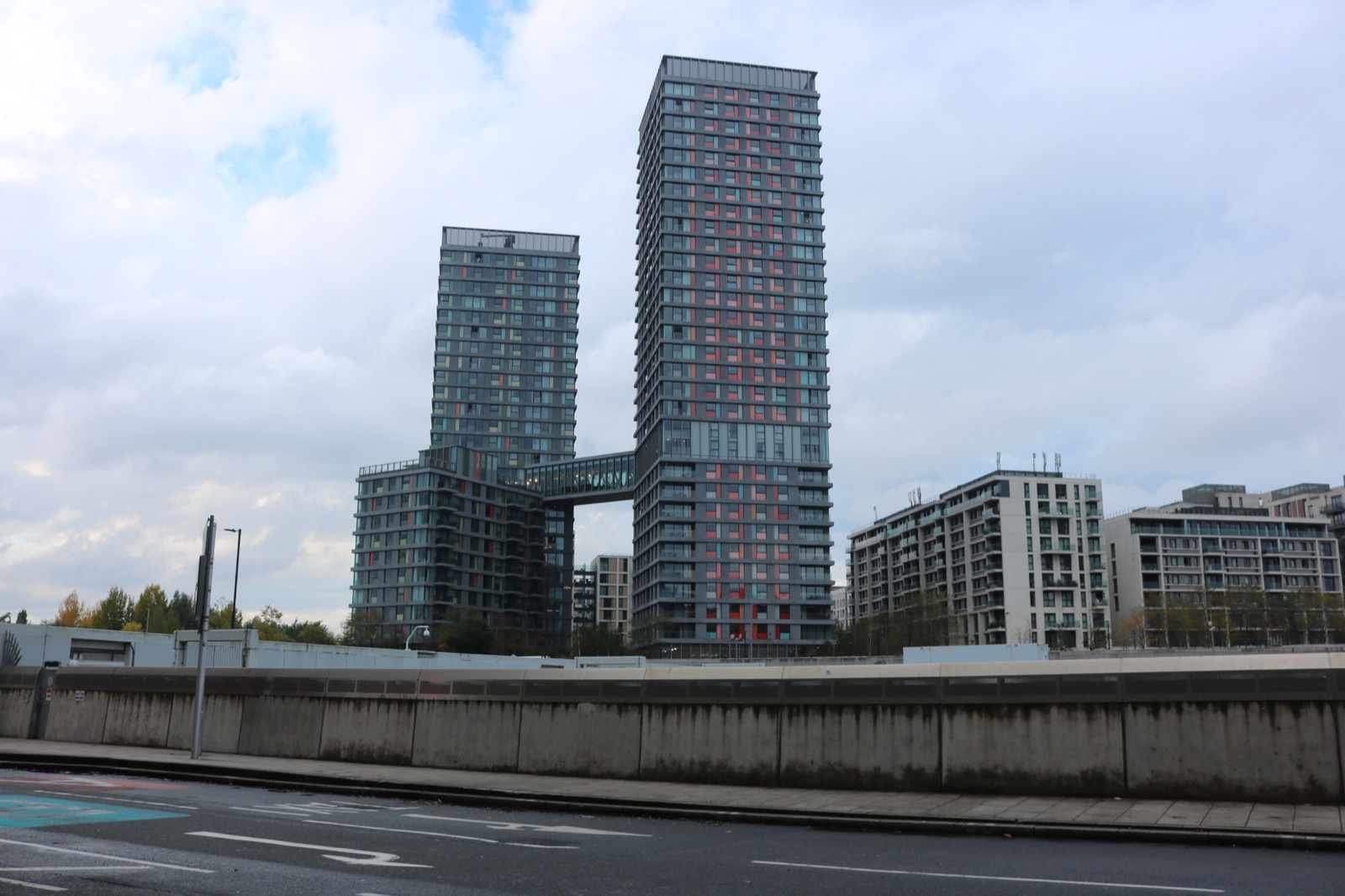

Building Safety Regulator (BSR) support helps the owners, developers and managers of higher-risk buildings in England meet the requirements of the Building Safety Act 2022. That can include preparing evidence for Gateway 2 and Gateway 3 applications, and helping accountable persons manage fire and structural safety risks once the building is occupied. Oracle provides practical, contractor-led consultancy for high-rise owners and developers in London, including BSR submissions for high-rise alterations and accountable person support.
The new regime asks for evidence, not assurances. Applications and safety cases need clear information about how the building is designed, built and maintained, and that information has to stay accurate over time.
Which buildings are covered
The regime applies to higher-risk buildings in England. Government guidance on building control approval for higher-risk buildings defines them, for design and construction, as buildings that have at least seven storeys or are at least 18 metres high, and contain at least two residential units or are a hospital or care home.
Once occupied, a high-rise residential building with at least seven storeys or at least 18 metres in height and at least two residential units must be registered with the BSR. Wales, Scotland and Northern Ireland have their own building safety and building control frameworks, so these rules should not be treated as UK-wide.
Gateway 2 and Gateway 3
For building work to a higher-risk building, the BSR acts as the building control authority.
At Gateway 2, building control approval must be granted before any building work starts. The BSR checks that the proposed work will comply with building regulations and that competent people are appointed. Government guidance says the BSR has up to 12 weeks to assess applications for new higher-risk buildings and up to 8 weeks for work to existing ones. Incomplete or unclear applications cost time.
At Gateway 3, the applicant applies for a completion certificate when the work is finished. A higher-risk building with at least two residential units must be registered before people live there, and registration requires a completion certificate.
Accountable person duties
Once a high-rise residential building is occupied, accountable persons must assess and manage building safety risks, which government guidance defines as the spread of fire and structural failure. Guidance on accountable persons' duties also requires the principal accountable person to:
- Register the building and provide structure and fire safety information.
- Prepare and update the building's safety case report.
- Keep building information up to date and provide it to those who need it.
- Prepare and update a resident engagement strategy.
- Operate a mandatory occurrence reporting system and a building safety complaints system.
- Apply for a building assessment certificate when directed by the BSR.
How Oracle supports you
Oracle's fire consultancy is contractor-led, backed by 200+ installations and regulator-ready reporting. Depending on your project, we can help with:
- BSR submission strategy and evidence packs for high-rise alterations.
- Fire door and fire stopping surveys, with compliance audits and remedial schedules.
- Remediation works, such as compartmentation remediation and certified fire stopping, with golden thread documentation.
- Accountable person support, including safety case reviews and compliance strategy.
- Fire risk assessments (PAS 79), with action plans and golden thread documentation.
We have supported a high-rise alterations programme that combined a BSR submission strategy and evidence pack with compartmentation remediation, certified fire stopping and golden thread documentation supplied for audit.
Responsibility for applications and duty holder roles stays with the client and the people they appoint. Our role is to make the evidence clear, consistent and ready for scrutiny.
What you receive
Depending on the scope, you receive:
- A BSR submission strategy and evidence pack.
- Compliance audits and remedial schedules for fire doors and fire stopping.
- Sign-off and golden thread documentation for the remediation works we deliver.
- Safety case reviews and compliance strategy for accountable persons.
When to get support
Contact us early if:
- You are planning alterations to an occupied high-rise residential building.
- You need to understand what evidence a BSR submission for your works will require.
- Remediation works to a high-rise building need sign-off and golden thread documentation.
- You are an accountable person reviewing your safety case or building information.
To discuss a higher-risk building in London, contact our team with an outline of the building and the work planned.