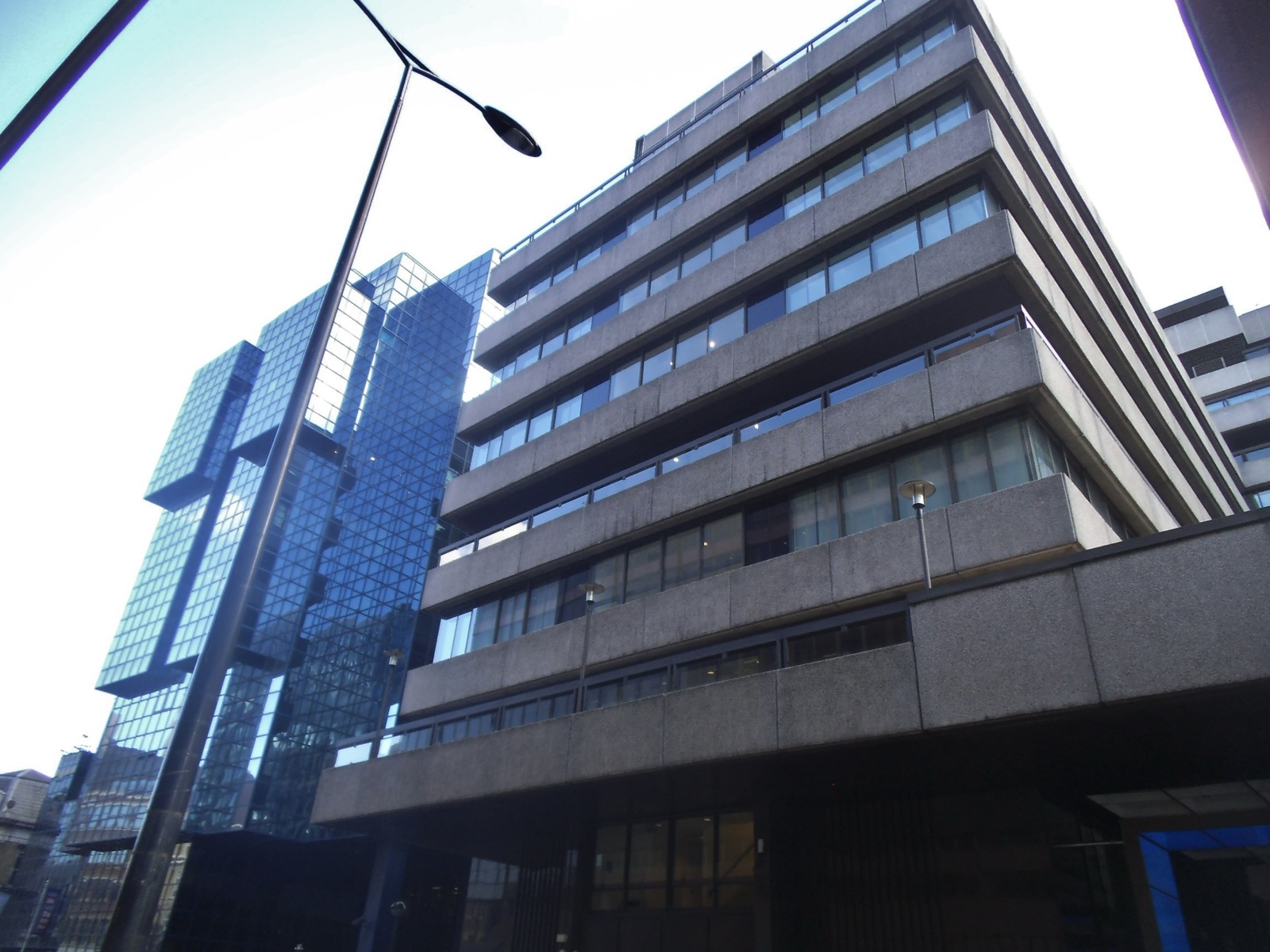

Oracle FM delivers fire safety, electrical testing, M&E maintenance and fit-out works for corporate offices, headquarters and multi-tenanted commercial buildings across London and the UK. The main pressures in this sector are shared fire safety responsibilities between landlords and tenants, keeping inspection and maintenance records current, and carrying out works without disrupting people who need the building every working day.
What the law expects in an office building
In England and Wales, the Regulatory Reform (Fire Safety) Order 2005 places duties on the "responsible person". The government's workplace fire safety guidance explains that this can be the employer, owner, landlord, occupier or anyone else with control of the premises, such as a facilities manager or managing agent. Scotland and Northern Ireland have separate fire safety legislation.
The responsible person must carry out and regularly review a fire risk assessment, put appropriate fire safety measures in place, and keep them maintained. Article 17 requires premises, facilities, equipment and devices to be subject to a suitable system of maintenance and kept in efficient working order. In practice, that covers fire doors, fire stopping, alarm systems and emergency lighting.
Multi-tenanted offices need particular care. Where two or more responsible persons share premises, Article 22 requires them to co-operate and co-ordinate their fire safety measures. Since 1 October 2023, the Section 156 changes in England also require responsible persons to record their completed fire risk assessment in full, share relevant fire safety information with each other and record the extent of their responsibilities.
Electrical safety sits under the Electricity at Work Regulations 1989, which apply in Great Britain. HSE guidance does not set a fixed testing interval; it expects installations to be inspected often enough that deterioration is unlikely to lead to danger. The Home Office guide to fire risk assessment for offices and shops is a useful reference for the fire side.
Common problems in occupied offices
The most common issues in occupied commercial buildings are practical rather than exotic:
- Fire doors propped open, damaged by furniture moves or fitted with the wrong hardware after a refit.
- Fire stopping broken by new cabling, data or pipework, often above ceilings and in risers where nobody looks.
- Unclear split between landlord and tenant responsibilities, so defects in one demise are not visible to the other party.
- Alarm and emergency lighting records that do not match the current layout after a floor has been reconfigured.
- EICR observations that have been reported but never closed out.
None of these is unusual. The risk comes from leaving them unconnected, so that a finding in one report never reaches the person who can act on it.
How we phase works around the working day
A useful starting point is the records you already have: the fire risk assessment, previous inspection reports, the asset list and any outstanding actions. They show what needs doing and in what order.
We phase works around occupied offices to minimise disruption, coordinating access and sequencing with the building or facilities team, with out-of-hours delivery where it helps keep floors in use. Because one contractor covers fire safety, electrical, M&E and fit-out, workplace providers and FM teams get survey-to-certificate delivery without handoffs between contractors.
Every programme is backed by evidence, certification and audit-ready reporting. Our compliance portal gives contract managers live compliance visibility, building by building, across a portfolio.
Relevant services
- Fire risk assessments to establish and review the baseline for each building.
- Fire door inspections and fire stopping and compartmentation surveys for the passive fire fabric.
- Fire alarm and emergency lighting maintenance for active systems.
- EICR testing and electrical remedials.
- M&E and reactive maintenance, plus fit-out and project delivery.
Work in corporate environments
We support CBRE across a portfolio of more than 50 UK sites, delivering multi-disciplinary compliance with live reporting. On that partnership, five contractors were consolidated into a single accountable partner. For a global workplace provider, we delivered a phased office reconfiguration and services upgrades over five weeks with zero downtime. You can read more on our enterprise clients page and in our case studies.
If you are reviewing compliance across one office or a portfolio, our guide to choosing an FM and fire safety contractor in London sets out what to ask. To discuss your buildings, contact our team.