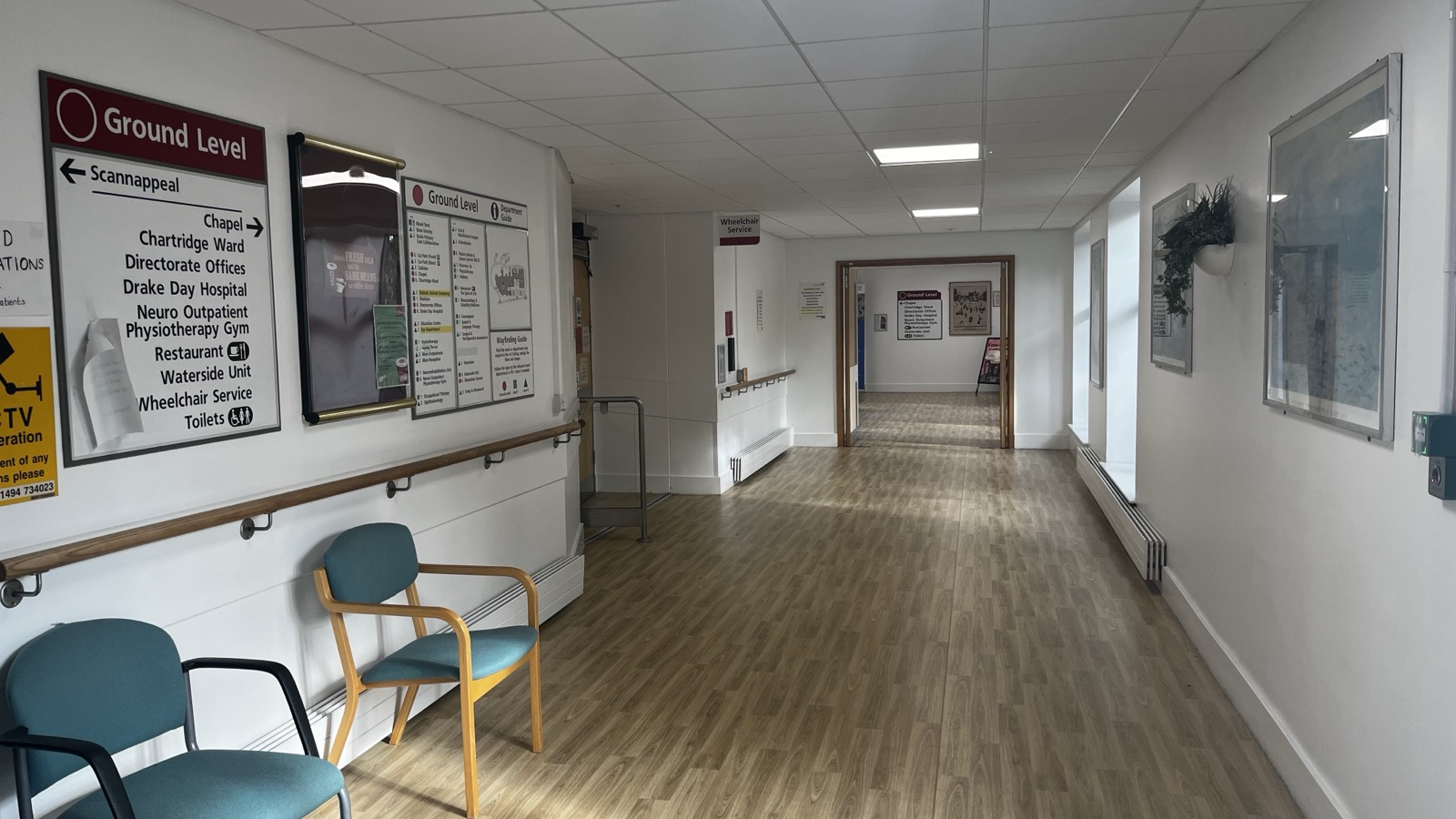

Oracle FM delivers fire safety, electrical, M&E and capital works for NHS estates and healthcare facilities, phased around clinical services. The key pressures are keeping fire and electrical systems compliant in buildings that never close, meeting the expectations of NHS technical guidance, and producing records that stand up when a provider's premises are scrutinised.
The obligations behind a healthcare estate
Healthcare premises in England and Wales are covered by the Regulatory Reform (Fire Safety) Order 2005. The responsible person must assess fire risk, put proportionate precautions in place and keep fire safety facilities maintained. The Home Office publishes a specific guide to fire risk assessment in healthcare premises, covering hospitals, medical centres and similar buildings.
For the NHS in England, that legal baseline is supported by Health Technical Memoranda published by NHS England. The fire safety series, known as Firecode, includes:
- HTM 05-01: Managing healthcare fire safety, which sets out the fire safety management system an organisation should operate, applied in proportion to its size, complexity and risk.
- HTM 05-02, guidance on fire safety in the design of healthcare premises.
- HTM 05-03, operational provisions published in parts, including fire detection and alarm systems and fire risk assessment in complex healthcare premises.
For electrical systems, HTM 06-01 covers the design, installation, testing, operation and maintenance of electrical services supply and distribution, read alongside BS 7671. HTM 06-02 sets out safe systems of work for low voltage systems, including Authorised Persons and permits to work. HTMs are guidance; HTM 05-01 states it is not mandatory unless specifically stated, but expects any departure to give a level of safety no lower than the guidance. The underlying electrical duties come from the Electricity at Work Regulations 1989.
Registered providers in England are also regulated by the Care Quality Commission. Regulation 15 requires premises and equipment to be clean, secure, suitable and properly maintained. Contractor records do not make a provider compliant on their own, but clear evidence of maintenance and completed remedials supports the provider's case.
Scotland, Wales and Northern Ireland have their own legislation and healthcare estates guidance, so the references above should be checked for sites outside England.
Common problems in occupied clinical buildings
- Fire compartmentation breached over years of service changes, with penetrations in ceiling voids and risers above wards.
- Fire doors on busy corridors damaged by beds, trolleys and equipment, or held open without suitable hold-open devices.
- Electrical observations that are difficult to close because the circuit serves a clinical area that cannot easily be isolated.
- Works that need careful dust, noise and access control to fit infection prevention requirements.
- Records spread across multiple contractors, making it hard for estates teams to show current status.
How we phase and deliver works
Healthcare works should start with the trust's own arrangements: its fire safety policy, permit systems, infection prevention requirements and the clinical teams who use each area. Access windows, sequencing and any decant need to be agreed before work begins.
We phase works around clinical operations to avoid disruption, using clinical environment phasing, infection control protocols, decant strategies and safe access protocols. Our teams are used to working in occupied, sensitive environments, and we deliver fire safety, electrical and M&E programmes to agreed timelines. Documentation is provided to support CQC and regulatory requirements, and live compliance reporting keeps the estates team informed.
Relevant services
- Fire risk assessments and fire stopping and compartmentation surveys.
- Fire door inspections, with remedials through our fire doors team.
- Fire alarm and emergency lighting maintenance.
- EICR testing and electrical works.
- Construction project management for NHS and public sector capital programmes.
NHS estate experience
Our NHS estate upgrade programme for an NHS trust was a 14-week phased programme of live-environment capital works across a critical estate. It used decant strategies and safe access protocols, followed infection control protocols, provided live compliance reporting to the estates team, and was delivered with zero clinical downtime across the phased works.
To discuss an estates programme, contact our team.