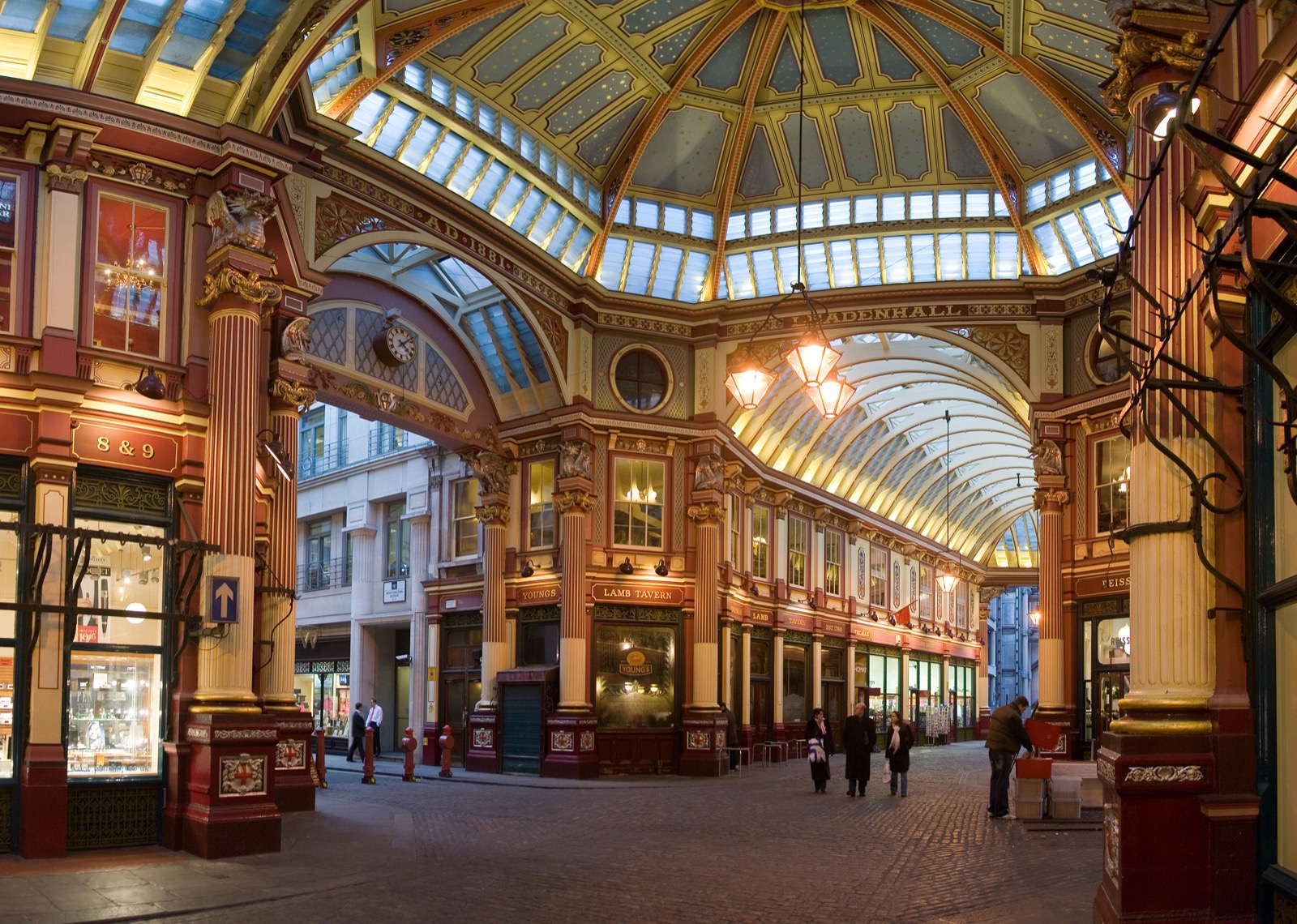

Oracle FM delivers fire safety, electrical testing and reactive support across high street shops, retail parks and mixed-use estates. The pressures in retail are keeping premises safe and compliant while they stay open, managing shared responsibilities between landlords and tenants, and providing records that satisfy landlords and insurers.
Responsible person duties in retail premises
In England and Wales, the Regulatory Reform (Fire Safety) Order 2005 places fire safety duties on the responsible person. In a shop that is a workplace, this is usually the employer; it can also be the owner, landlord, occupier or anyone else with control of the premises, as the government's workplace fire safety guidance explains. Scotland and Northern Ireland have their own fire safety law.
The responsible person must carry out a fire risk assessment, keep it under review, and put appropriate fire safety measures in place. Article 17 requires premises, facilities, equipment and devices to be subject to a suitable system of maintenance and kept in efficient working order. That includes fire doors, alarm systems, emergency lighting and the fire-resisting construction that protects escape routes.
Retail estates rarely have one responsible person. A landlord or managing agent controls the malls, service corridors and plant; each tenant controls its own unit. Article 22 requires everyone who shares, or has duties in respect of, the premises to co-operate and co-ordinate their fire safety measures. Since 1 October 2023, the Section 156 changes in England require responsible persons to record their fire risk assessment in full and share relevant fire safety information with each other.
The Home Office guide to fire risk assessment for offices and shops covers individual shop units, including those within larger complexes. Electrical installations fall under the Electricity at Work Regulations 1989, and HSE guidance expects inspection often enough that deterioration is unlikely to lead to danger.
Mixed-use schemes with homes above shops may bring further duties. In England, a building that is at least 18 metres tall or has at least seven storeys and contains at least two residential units is a higher-risk building, even where it also includes retail. See our high-rise residential page for those duties.
Common problems in trading premises
- Escape routes and fire exits obstructed by stock, deliveries or display units, especially in back-of-house corridors.
- Fire doors to stockrooms and service corridors damaged by cages and pallet trucks, or wedged open.
- Fire stopping breached by shopfitting works, new tills, lighting or data cabling.
- Unclear division between landlord and tenant responsibilities for alarms, sprinklers and emergency lighting.
- Reactive faults that need a quick response because a unit cannot trade safely until they are fixed.
How we keep premises trading
Retail works need access agreed with the store or centre manager and the landlord before they start, with disruptive tasks such as isolations, alarm works and shop floor remedials kept away from trading where possible, and escape routes kept clear throughout.
We offer phased access and out-of-hours options, so works have minimal impact on trading. Our in-house engineers cover fire safety, electrical, M&E and reactive support, giving one point of accountability across a retail portfolio. Certification and reporting are provided to satisfy landlords and insurers, and our compliance portal shows status building by building.
Relevant services
- Fire risk assessments and fire door inspections.
- Fire alarm and emergency lighting maintenance.
- EICR testing and electrical remedials.
- M&E and reactive maintenance, including out-of-hours support.
- Passive fire protection for fire stopping after shopfitting.
Retail experience
A regional FM at TK Maxx has described Oracle as providing the emergency response and speedy delivery they had been looking for across a wide retail portfolio, with clear communication and updates from the start of each job to completion. Read more feedback from clients on our case studies page.
For broader guidance on planned maintenance, see our article on planned preventative maintenance. To discuss a store or estate, contact our team.