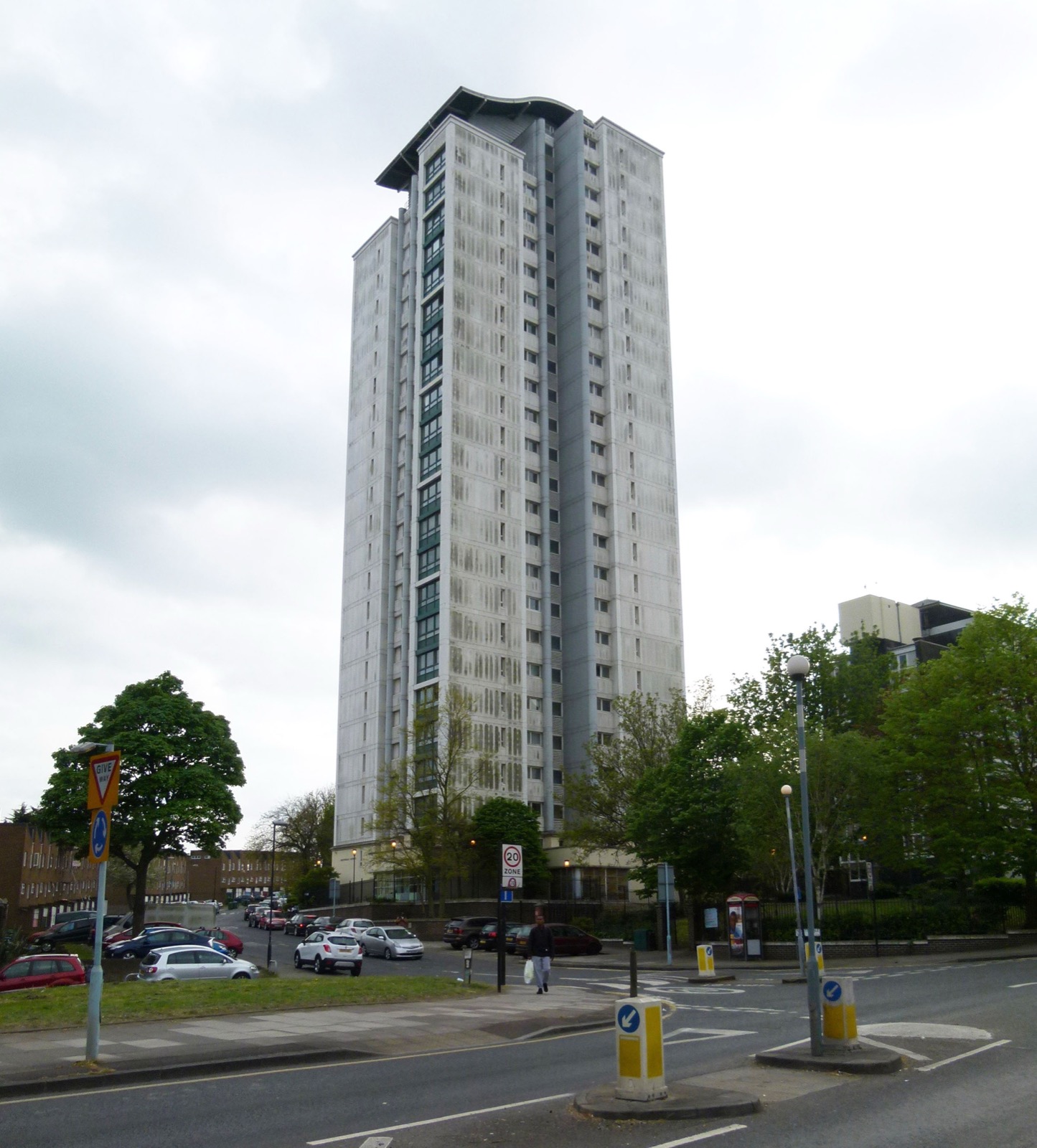

Oracle FM delivers fire door, compartmentation, fire alarm and building safety support for high-rise and multi-occupied residential blocks across London and the UK. Owners, managing agents and accountable persons face layered duties under the Building Safety Act 2022 and the Fire Safety (England) Regulations 2022, and every inspection and remedial has to be organised around people's homes.
The obligations for residential blocks in England
The rules depend on the building's height and use, and the duties below apply in England. Scotland, Wales and Northern Ireland have separate frameworks.
All multi-occupied residential buildings. The Regulatory Reform (Fire Safety) Order 2005 applies to the common parts. Government workplace fire safety guidance notes that for common areas the responsible person is usually the landlord, freeholder or managing agent. The Fire Safety Act 2021 puts beyond doubt that structure, external walls and flat entrance doors fall within scope, so fire risk assessments must take them into account. Under the Fire Safety (England) Regulations 2022, responsible persons must give residents fire safety instructions and information about the importance of fire doors.
Buildings over 11 metres. The regulations require quarterly checks of communal fire doors and best endeavours to check flat entrance doors annually.
High-rise buildings (18 metres or seven storeys). Responsible persons must also provide floor and building plans to the fire and rescue service, install and maintain a secure information box, share external wall information, carry out monthly checks of firefighting lifts and essential firefighting equipment, and install wayfinding signage.
Higher-risk buildings under the Building Safety Act. An occupied building is a higher-risk building if it is at least 18 metres tall or has at least seven storeys and contains at least two residential units. Under Part 4 of the Building Safety Act 2022, the principal accountable person must register the building with the Building Safety Regulator, prepare a safety case report, operate mandatory occurrence reporting and prepare a resident engagement strategy. The government's guidance for accountable persons also covers the golden thread of building information.
Common problems in occupied residential blocks
- Flat entrance doors replaced by leaseholders with non-certified doors, or self-closers removed.
- Communal fire doors damaged, wedged open or fitted with incompatible hardware.
- Fire stopping breached in risers and service voids after utility, telecoms or heating works.
- Gaps in records, so the information needed for a safety case report or golden thread is incomplete.
- Repeated no-access visits that stall a door or compartmentation programme.
How we phase works around residents
A programme should start from the fire risk assessment, any existing surveys and the accountable person's priorities, and be phased so residents know when work will reach them. We build resident liaison and access coordination into our programmes, working with building management to keep disruption to residents to what is necessary.
Surveys provide condition assessments, remedial schedules and certification-ready reporting. Remedials are certified and backed by clear golden thread documentation, with no handoffs between inspection and remediation. Our compliance portal keeps status visible building by building across a portfolio.
Relevant services
- Building Safety Regulator support and wider consultancy and building safety for accountable persons.
- Fire door inspections, with installation and repair through our fire doors team.
- Fire stopping and compartmentation surveys and compartmentation remediation.
- Fire alarm and emergency lighting maintenance, plus alarm upgrades and waking watch through active fire protection.
- Fire risk assessments.
Residential project experience
Our projects include a fire door replacement programme for a high-rise residential portfolio: more than 150 FD30 and FD60 doors delivered in phased blocks over ten weeks, with full certification and resident-safe scheduling. On a multi-unit residential block, we delivered full building compartmentation from survey to sign-off over twelve weeks, covering risers, voids and cavity barriers with golden thread documentation. For a high-rise alterations programme, we supported a BSR submission and carried out compartmentation remediation and certified fire stopping, supplying golden thread documentation for audit.
For more on inspection intervals, read how often fire doors should be inspected. To discuss a block or portfolio, contact our team.