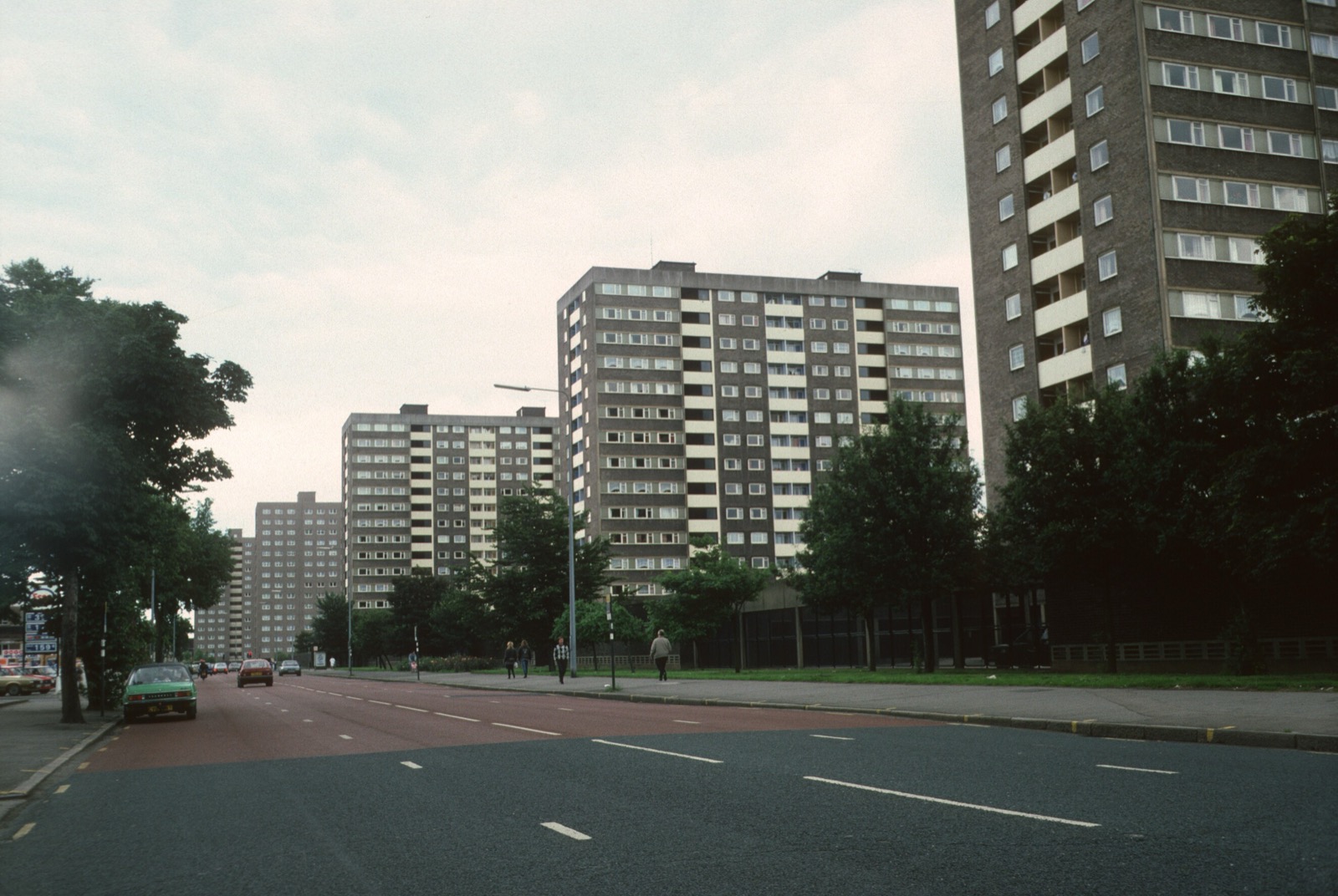

In England, the Building Safety Act 2022 places legal duties on the accountable persons for occupied high-rise residential buildings: broadly, those at least 18 metres high or with at least seven storeys, containing at least two residential units. Each building has one principal accountable person, who must register the building, prepare a safety case report and run a residents' engagement strategy. Facilities management teams can carry out much of the practical work, but the legal accountability stays with the accountable persons.
This guide summarises the regime as it stands in October 2026. It is written for building owners, managing agents and facilities teams, and it is not legal advice. Where your building's status or your organisation's role is unclear, take advice from a suitably qualified adviser.
Which buildings are covered?
Part 4 of the Act deals with occupied higher-risk buildings. Under section 65, and the government's guidance for accountable persons, a building is in scope during occupation if it:
- is at least 18 metres high or has at least 7 storeys, and
- contains at least 2 residential units.
Height and storeys are measured using set rules, so do not rely on a rough count of floors. Hospitals and care homes of the same height are higher-risk buildings for the design and construction stage, but the occupation duties described here apply to high-rise residential buildings.
This regime applies in England. Scotland, Wales and Northern Ireland have their own building safety arrangements.
Who is the accountable person?
An accountable person is someone who owns, or has a repairing obligation for, the common parts of the building, such as the structure, exterior, corridors, lobbies and staircases (section 72). A building can have more than one.
Every building must have one clearly identifiable principal accountable person (section 73). Where there are several accountable persons, the principal accountable person is the one who owns or is responsible for repairing the structure and exterior. Government guidance notes that this is usually an organisation, such as a local authority, housing provider, commonhold association or company, although it can be an individual.
A managing agent or FM contractor is not automatically an accountable person. The role follows ownership and repairing obligations, not who carries out the maintenance.
What must accountable persons do?
The government guidance sets out the duties. In summary, accountable persons must assess and manage the risks of fire spread and structural failure in the parts of the building they are responsible for (sections 83 and 84). The principal accountable person has further duties for the building as a whole.
Registration and key building information
Occupied high-rise residential buildings must be registered with the Building Safety Regulator (section 77). Existing buildings had to be registered by 30 September 2023, and new buildings must be registered before residents occupy them. According to the registration guidance, it is an offence to allow residents to occupy an unregistered building. Structure and fire safety information, known as key building information, must follow within 28 days of the application. The guidance lists the application fee as £302 at the time of writing.
Safety case report
The principal accountable person must prepare and keep up to date a safety case report (section 85). It explains the building's major fire and structural hazards and how the risks are being managed. If the Building Safety Regulator directs it, the principal accountable person must apply for a building assessment certificate within 28 days (section 79). The regulator then assesses how the accountable persons are meeting their duties.
The golden thread
Accountable persons must keep prescribed information about the building (section 88). The government's golden thread guidance describes this as digital, accurate, accessible and secure information that acts as a single source of truth. The guidance lists historical records, such as refurbishment information, among the information to keep, so well-organised maintenance and repair records matter.
Occurrence reporting and complaints
The principal accountable person must run a mandatory occurrence reporting system and report safety occurrences to the Building Safety Regulator (section 87). The guidance also requires a complaints system and the display of certain information in the building.
Resident engagement
The principal accountable person must prepare and keep under review a residents' engagement strategy (section 91). It sets out what information residents will receive, which building safety decisions they will be consulted on and how their views will be taken into account.
How does this relate to the Fire Safety Order?
The Building Safety Act does not replace the Regulatory Reform (Fire Safety) Order 2005. The common parts of a block of flats still need a responsible person and a suitable fire risk assessment. The same organisation may hold both roles, but they are separate legal duties.
For residential buildings in England, the Fire Safety (England) Regulations 2022 add specific duties, such as fire door checks and information for the fire and rescue service. Facilities teams often handle these alongside Building Safety Act duties, so it helps to map both in one compliance plan.
What can an FM contractor take on?
Government guidance states that accountable persons and the principal accountable person cannot delegate their legal obligations. They can, however, appoint organisations or individuals to carry out work on their behalf, while accountability and liability remain with them.
In practice, a facilities management contractor can usually support:
- Planned inspections, such as communal fire door checks and fire stopping surveys, with clear records.
- Maintenance of fire safety systems, such as fire alarms and emergency lighting.
- Reporting defects and safety concerns promptly, so the accountable person can decide whether they are occurrences.
- Organised digital records that can feed the golden thread and the safety case.
- Coordination of remedial works, including checking whether those works need building control approval.
An FM contractor should not be presented as the accountable person, decide the building's safety case on its own or sign off risk decisions that belong to the client. Contracts should make clear who reports to whom, what information the contractor must provide and how quickly.
What should facilities teams check first?
Start by confirming whether the building is in scope and who the accountable persons are. Ask the principal accountable person to confirm the registration status and who owns the safety case report and residents' engagement strategy.
Then look at your own processes:
- Can you show when each safety-related inspection was done and what happened to the findings?
- Do contractors know how to report a serious defect quickly?
- Are records held digitally, with version control, in a form the accountable person can use?
- Do planned works go through a check for whether building control approval is needed? Our guide to planning works under BSR Gateway 2 explains why this matters.
Next steps
Oracle supports building owners and managing agents with the practical work behind these duties. Our building safety consultancy covers accountable person support, including safety case reviews and compliance strategy, and our Building Safety Regulator support covers BSR submissions for high-rise alterations. We also provide fire door inspections, fire stopping and compartmentation surveys, fire risk assessments and fire alarm and emergency lighting maintenance.
For background on inspection programmes, read how often fire doors should be inspected and what FMs should check on fire stopping. To discuss your building, get in touch with our team.